
Minneapolis and St. Paul are filled with architectural gems; Craftsman bungalows, Tudors, Colonials, Mid‑Century homes, and charming post‑war houses that give each neighborhood its character. These homes were built with care, intention, and materials that are hard to find today. But they also come with quirks, surprises, and outdated systems that make remodeling them a specialized craft.
For homeowners who love the soul of an older home but want modern comfort and functionality, a thoughtful remodel can unlock the best of both worlds. At Quartersawn Design Build, this is the work we love most: honoring the past while designing for the way people live today.
Understanding the Unique Architecture of Older Twin Cities Homes
Each Minneapolis neighborhood tells a story through its architecture. From the wood‑trimmed Craftsman homes of Linden Hills to the stately Colonials in Mac‑Groveland, older homes in the Twin Cities were built with distinctive proportions, materials, and details.
These homes often feature:
- Solid wood doors and millwork
- Plaster walls
- Built‑ins and custom cabinetry
- Unique window shapes and divided‑light patterns
- Thoughtful craftsmanship that has stood the test of time
Preserving these elements while updating the home requires a careful balance. One that respects the original architecture while making room for modern living.
Common Challenges When Remodeling Older Homes
Older homes come with charm, but they also come with realities that homeowners should understand before beginning a remodel.
Structural and Mechanical Surprises
It’s common to uncover issues such as:
- Outdated electrical systems
- Galvanized plumbing that restricts water flow
- Settling foundations or uneven floors
- Load‑bearing walls that complicate open‑concept layouts
These aren’t deal‑breakers, they’re simply part of working with a home that’s been standing for 70–100 years.
Energy Efficiency Limitations
Many older homes were built long before modern insulation standards. Homeowners often face:
- Drafty windows
- Poorly insulated walls
- Inefficient HVAC systems
A remodel is the perfect opportunity to improve comfort and reduce energy costs.
Layout Constraints
Older homes weren’t designed around today’s lifestyles. Kitchens are often small, have fewer bathrooms, storage is limited, and rooms can feel compartmentalized. Opening up spaces or rethinking circulation can dramatically improve flow and functionality.
Material Matching and Craftsmanship
One of the biggest challenges, and joys, is blending old and new. Matching original trim profiles, repairing plaster, or sourcing period‑appropriate materials requires a skilled team that understands both traditional craftsmanship and modern construction.
Opportunities: Why Older Homes Are Ideal for Luxury Remodeling
While older homes come with challenges, they also offer incredible potential.
Architectural Character You Can’t Recreate
Original millwork, built‑ins, wood floors, and unique details give older homes a richness that new construction rarely matches.
High‑Quality Materials
Many Minneapolis homes were built with old‑growth lumber, solid masonry, and handcrafted details, materials that are expensive or impossible to source today.
Room for Creative Transformation
Thoughtful remodeling can unlock entirely new possibilities:
- Expanding or reconfiguring kitchens
- Adding mudrooms or functional entry spaces
- Creating primary suites
- Finishing basements for additional living space
- Designing additions that feel seamless and intentional
The goal is to enhance the home’s functionality without erasing its history.
How to Modernize an Older Home Without Losing Its Soul
The best remodels feel cohesive. As if the home always looked and functioned this way. Achieving that requires intention and restraint.
Honor the Original Architecture
Repeating trim profiles, matching proportions, and preserving key features like staircases or fireplaces helps maintain continuity.
Choose Timeless, High‑Quality Materials
Natural woods, stone, and custom cabinetry complement the craftsmanship of older homes and age gracefully.
Integrate Modern Systems Thoughtfully
Upgraded electrical, plumbing, HVAC, and smart lighting can be incorporated discreetly so the home feels both authentic and comfortable.
Use Detailing to Blend Old and New
Shadow lines, clean transitions, and custom millwork help new spaces feel like a natural extension of the original home.
Real‑World Examples From Quartersawn Projects
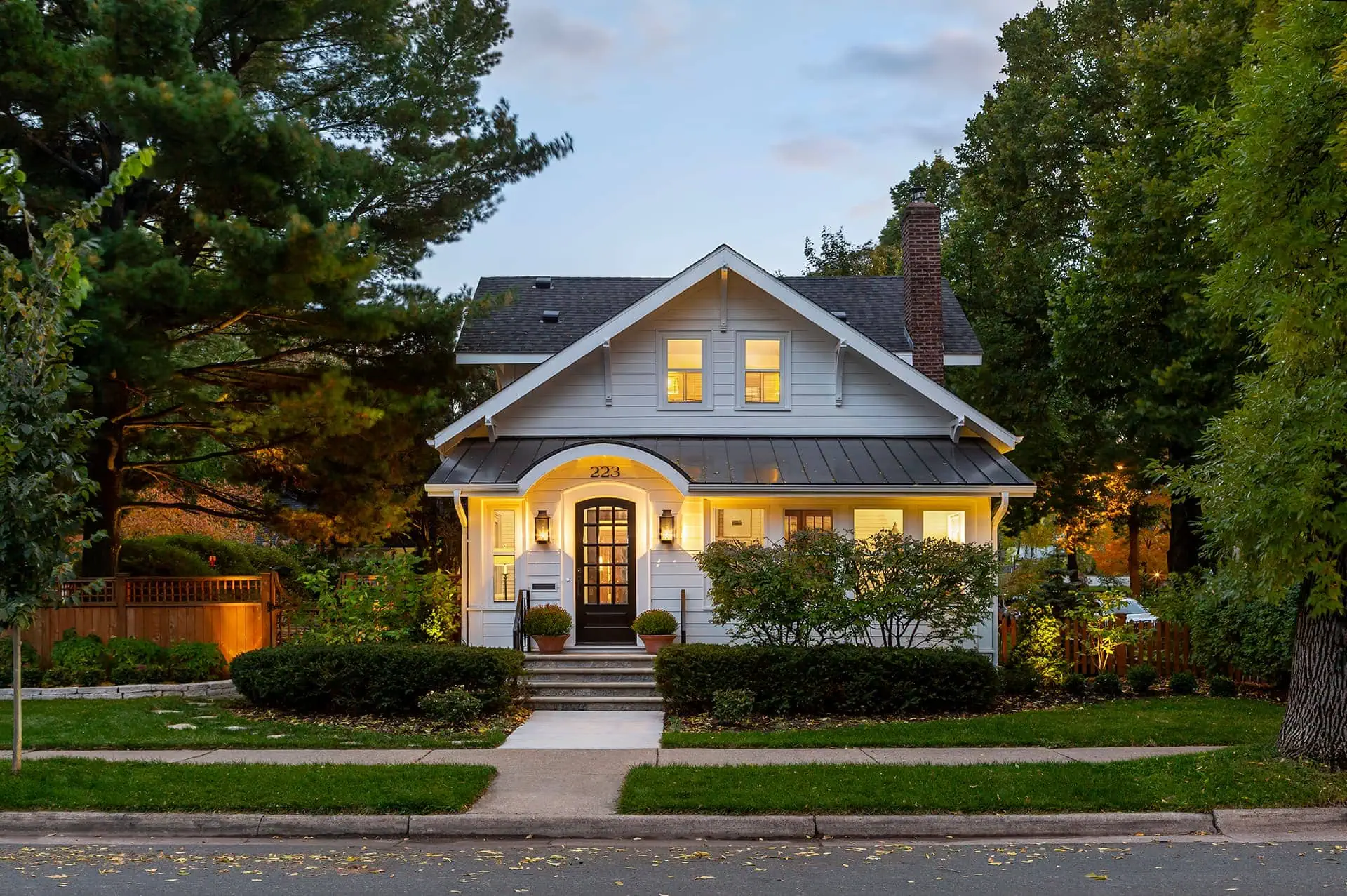
We’ve transformed countless older homes across the Twin Cities — from opening up cramped kitchens to creating modern primary suites while preserving original charm. In each project, the details matter: matching millwork, aligning sightlines, and designing cabinetry that feels rooted in the home’s history.
These touches are what make a remodel feel seamless rather than “added on.”
Expert Tips for Homeowners Planning a Remodel
- Start with a thorough assessment. Understanding existing conditions prevents surprises later. Our three-person team allows us to work with architects, project managers, and carpenters from the very beginning to limit unnecessary surprises.
- Prioritize structural and mechanical upgrades. They’re not glamorous, but they’re essential.
- Choose a team experienced with older homes. Not all remodelers understand the nuances of historic construction.
Why Design‑Build Is the Best Approach for Older Homes
Older homes require tight coordination between design, project management, and construction. A design‑build team ensures:
- One unified vision
- Fewer surprises
- Better communication
- More efficient problem‑solving
- A cohesive final result
At Quartersawn, our integrated team approach allows us to navigate the complexities of older homes with precision and care.
Conclusion
Remodeling an older Minneapolis home is both an art and a technical challenge. One that rewards patience, craftsmanship, and thoughtful design. When done well, the result is a home that feels deeply rooted in its history while offering the comfort and functionality of modern living.
If you’re considering a remodel, we’d love to help you explore what’s possible.