
A custom home should do more than look beautiful. It should support your lifestyle. The best homes aren’t designed around trends or square footage. They’re designed around real routines, habits, and priorities. If you’re planning a custom build or whole-home remodel, here’s how to design a home that truly fits your lifestyle.
1. Start With How You Live Today

Before selecting finishes or browsing inspiration photos, take a step back and evaluate your daily life. Ask yourself:
- Do you work from home full-time or occasionally?
- How often do you host, and what does hosting actually look like?
- Do you prefer open-concept living or defined, quieter spaces?
- What activities take up the most time in your home?
This is the foundation of lifestyle-based home design. Your floor plan should reflect your real habits—not aspirational ones.
Pro tip: Track your routines for a week. Where do you naturally gather? Where do things feel cramped or underused? That’s where design decisions start.
2. Design for the Moments That Matter Most

The most successful custom homes aren’t just functional, they’re personal. Think beyond standard rooms and consider:
- A dedicated coffee or morning ritual space
- A music or creative studio
- A lower level designed specifically for hosting
- A quiet reading nook or retreat space
These are the elements that elevate a home from “well-designed” to deeply lived in. When homeowners prioritize meaningful moments, the design naturally becomes more intentional and more valuable long-term.
3. Focus on Function Over Square Footage

One of the biggest misconceptions in residential design is that bigger automatically means better. In reality, efficient home design often delivers more value than added square footage. A well-designed home can feel larger through:
- Strategic window placement that maximizes natural light
- Multi-functional spaces (like guest rooms that double as offices)
- Built-in storage that reduces visual clutter
When every square foot has a purpose, your home works harder and feels better to live in.
4. Plan for the Future (So You Don’t Outgrow It)
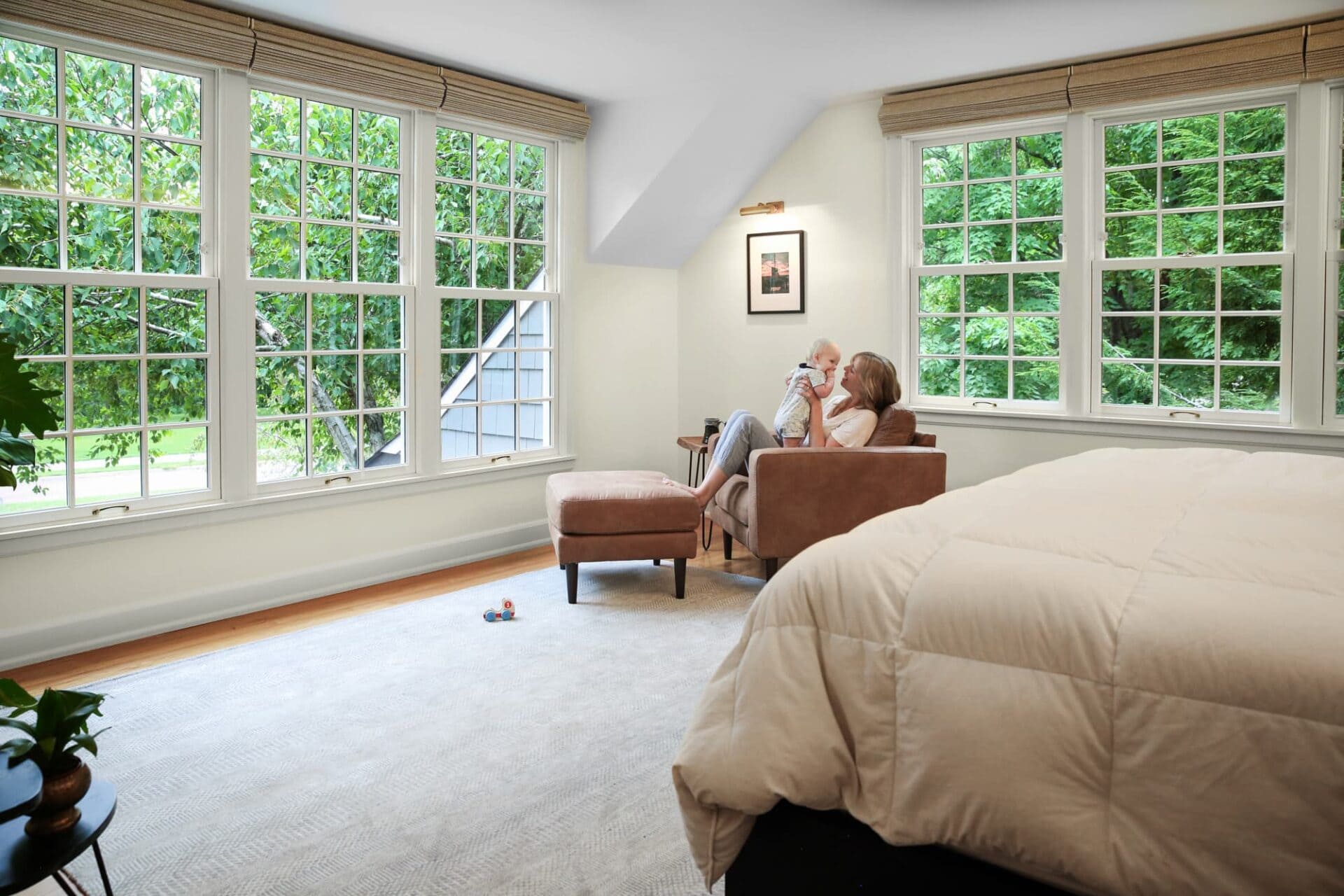
A lifestyle-driven home should support both your current needs and what’s ahead. Consider incorporating:
- Flexible or “flex” rooms that can evolve over time
- Aging-in-place features like wider doorways and main-level living
- Adaptable spaces for changing family dynamics
This is especially important for homeowners planning a long-term custom home or aging in place. Designing for flexibility now prevents costly renovations later.
5. Let Your Story Shape the Design

The most memorable homes reflect the people who live in them. That might look like:
- Displaying meaningful collections or heirlooms
- Incorporating materials with personal significance
- Designing spaces around traditions or routines
When your home aligns with your values and lifestyle, it becomes more than a structure. It becomes a place that supports your life in a meaningful way.
Frequently Asked Questions About Lifestyle-Based Home Design
What does it mean to design a home around your lifestyle?
Designing a home around your lifestyle means planning your layout, spaces, and features based on how you actually live day-to-day—not just aesthetics or trends.
Is lifestyle-based design only for custom homes?
No. This approach works for both custom homes and remodeling projects. Even small layout changes can significantly improve how a home functions.
How do I know what layout is right for me?
Start by analyzing your routines, pain points, and priorities. A design-build team can then translate that into a functional floor plan.
Designing With Intention
At the end of the day, a well-designed home doesn’t just look good—it makes life easier, more comfortable, and more meaningful. When you design around your lifestyle, every space has a purpose. And that’s what turns a house into a home.