
For many Twin Cities homeowners, retirement arrives with a surprising realization. The house they’ve loved for decades no longer works quite the way it once did.
The rooms that once revolved around raising children now sit empty. Family gatherings have evolved from soccer teams and sleepovers to adult children, spouses, and grandchildren gathering under one roof. Daily routines look different. Priorities shift.
Yet many homeowners continue adapting around the limitations of their home instead of asking a more important question: Is this home ready for the next chapter of my life?
Most people don’t wake up one morning and decide they need a remodel. Instead, they begin noticing small frustrations that gradually become impossible to ignore.
If you’re approaching retirement or already there, here are seven signs it may be time to consider whether your home is ready for what’s next.
1. You’re Planning Your Life Around Your Home’s Limitations
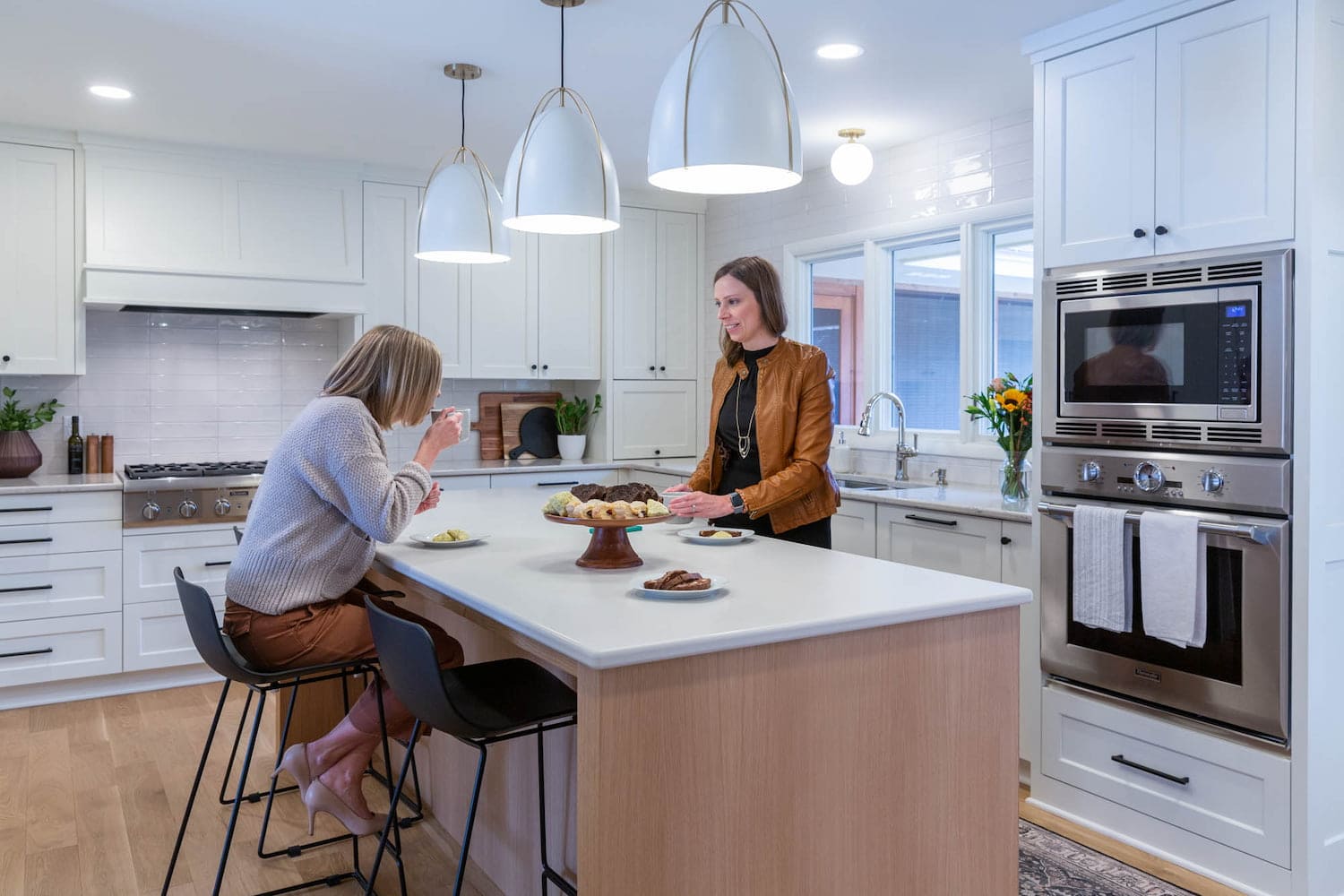
Do you avoid hosting because there isn’t enough space? Do holiday gatherings feel crowded? Do you find yourself moving furniture, rearranging traffic patterns, or making accommodations every time family comes over?
Many homeowners tell themselves they’re “making it work.” And often they are. But when your home consistently limits how you’d like to live, it may be worth asking whether the space is serving you as well as it could.
A well-designed home should support your lifestyle, not require constant workarounds.
2. The Spaces You Use Most No Longer Function Well
Retirement changes how a home gets used. You may spend more time cooking, entertaining, pursuing hobbies, reading, exercising, or working remotely. Rooms that once felt secondary suddenly become central to everyday life.
We often see this with homeowners who have lived in their homes for twenty or thirty years. The layout wasn’t designed for the life they’re living now.
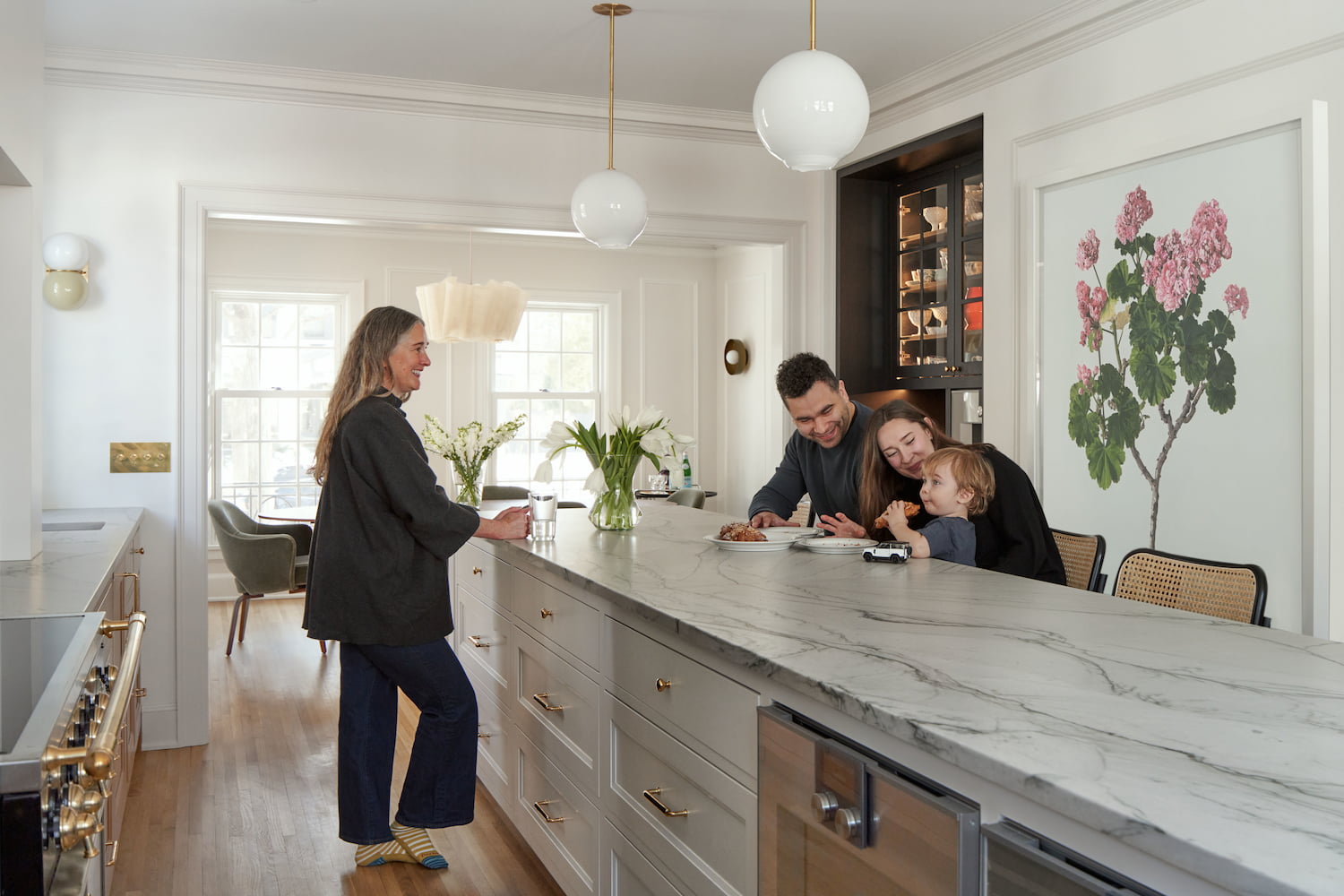
One Twin Cities couple loved their traditional brick Colonial home and couldn’t imagine living anywhere else. But after years of adapting around an inefficient floor plan, disconnected spaces, and a lower level that no longer met their needs, they decided to reimagine the home for the years ahead rather than search for a new one.
The goal wasn’t a prettier house. It was a house that supported the life they wanted to continue living.
3. You’ve Been Talking About the Same Project for Years
Maybe it’s the kitchen. Maybe it’s the primary suite. Maybe it’s finally opening up the main floor. Most homeowners have a project that has lived on their mental to-do list for far longer than they intended.
If you’ve been talking about the same improvement for three, five, or even ten years, it may be worth paying attention to what that project represents. Often, it’s not really about cabinets or countertops. It’s about creating a home that better supports the way you want to live.
4. Hosting Family Feels More Stressful Than Enjoyable
One of the greatest joys of this stage of life is often having family gather again. Adult children return for holidays. Grandchildren come to visit. Friends have more time to connect. But many homes weren’t designed for these evolving gatherings. Common frustrations include:
- Crowded kitchens
- Awkward traffic flow
- Limited seating areas
- Insufficient guest accommodations
- Lack of storage for seasonal entertaining
In one recent remodel, homeowners wanted their home to become the place where family naturally gathered. The challenge wasn’t square footage. They had plenty.
The challenge was creating spaces that encouraged connection instead of forcing everyone into separate rooms. Their remodel focused less on adding space and more on making the existing home work better for the people they cared about most.

5. You’re Beginning to Think About Long-Term Accessibility
Accessibility isn’t just about getting older. It’s about maintaining independence. It’s about making thoughtful decisions today that make life easier tomorrow.
For some homeowners, that means improving circulation and flow. For others, it means creating a more functional primary suite or reducing barriers throughout the home.
One of the advantages of planning before these needs become urgent is that the solutions can be integrated naturally into the design of the home rather than feeling like accommodations added later.
The best aging-in-place design often doesn’t look like aging-in-place design at all.
6. You Love Your Neighborhood Too Much to Leave
This may be the biggest sign of all. Many Twin Cities homeowners aren’t choosing between remodeling and moving because they dislike their home. They’re choosing because they love everything around it.
We see this often in established neighborhoods throughout Minneapolis, Edina, and St. Paul.
Homeowners aren’t looking for a different community. They’re trying to figure out how to make the most of the one they already love. For many, remodeling becomes the bridge between staying rooted and living more comfortably.
7. You’re Thinking More About Experiences Than Possessions
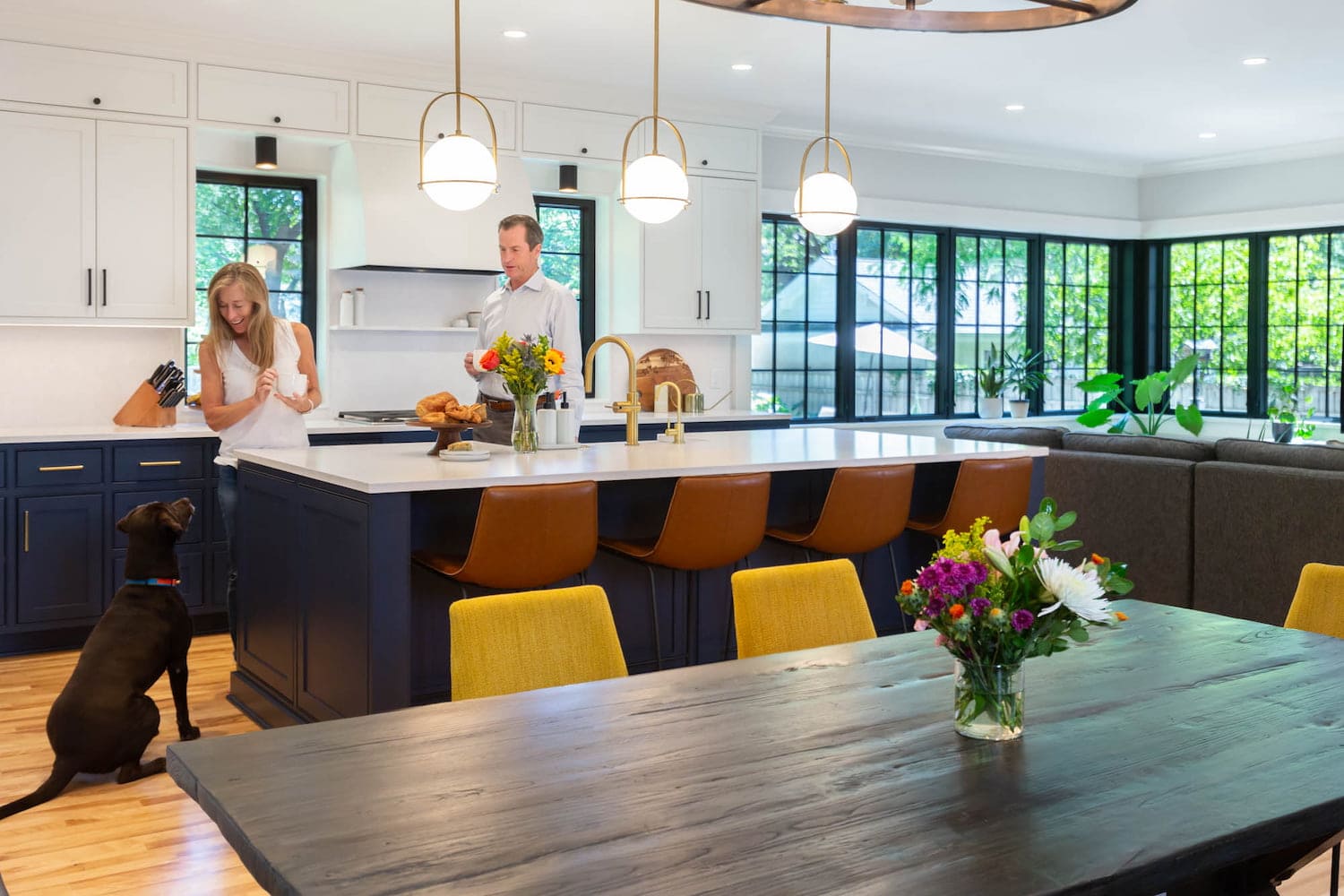
At some point the conversation changes. You stop thinking about features and start thinking about lifestyle. You want:
- Easier mornings
- More meaningful time with family
- Comfortable entertaining
- Less maintenance
- Better daily routines
- Spaces that support your interests and priorities
That’s when a remodel becomes something larger than a construction project. It becomes an investment in how you want to spend the years ahead.
One homeowner downsized into a condominium with spectacular views and an ideal location. The space checked every practical box, but it still needed to feel like home. Through thoughtful updates and personalization, the condo became more than a place to live. It became a reflection of the next chapter they were stepping into.
And that’s ultimately what good remodeling accomplishes.
The Next Chapter Starts With a Plan
Not every frustration requires a major remodel. Sometimes a series of strategic updates creates exactly the improvement a homeowner needs. Other times, a more comprehensive transformation opens possibilities they hadn’t considered.
The important thing is creating enough space to ask the question. Does my home still support the life I want to live five, ten, or fifteen years from now?
Because while many homeowners tell us they wish they had started planning sooner, it’s rare to hear someone say they wish they had waited longer to create a home that better supported their family, their routines, and the next chapter ahead.