
In architecture, the grand gestures usually get the spotlight, sweeping facades, dramatic rooflines, bold materials. But look a little closer and you’ll find that the true character of a home often lives in the details. These small, intentional touches shape how a space feels, how it functions, and how people connect with it. Architectural detailing is where creativity meets craftsmanship, and where good design becomes unforgettable design.
What Is Architectural Detailing?
Architectural detailing refers to the precise design and execution of the small components that make up a home. This includes:
- Material transitions
- Trim profiles
- Lighting integration
- Hardware selection
- Joint and edge conditions
- Built‑in elements
- Window and door detailing
These elements may seem minor, but they define the craftsmanship and character of a space.
Why Details Matter More Than We Think
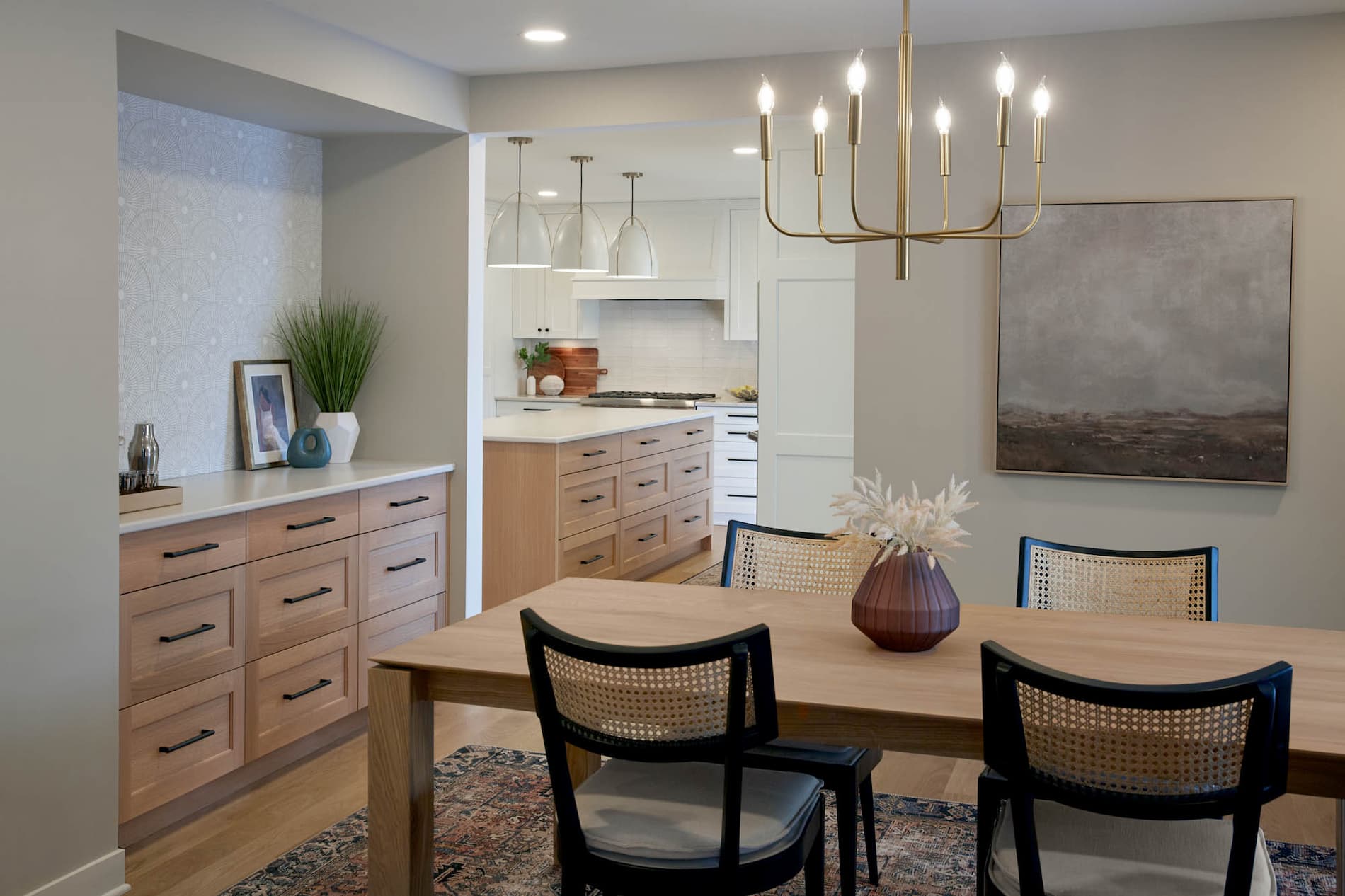
Details are the quiet storytellers of a building. They guide the eye, influence mood, and elevate everyday interactions. A thoughtfully placed window trim can frame a view like a piece of art. A custom handrail can turn a staircase into a sculptural moment. Even the way two materials meet, cleanly, seamlessly, or with a deliberate reveal, can shift the entire perception of quality.
In short: details are small, but their impact is anything but.
Material Junctions: Where Craftsmanship Shows
One of the most revealing aspects of architectural detailing is how materials come together. These junctions are the fingerprints of craftsmanship.
- Shadow reveals add depth and sophistication, creating subtle lines that guide the eye.
- Precise transitions between wood, metal, and stone communicate care and intention.
- Thoughtful edge treatments prevent a space from feeling harsh or unfinished.
When materials meet gracefully, the whole home feels more refined.
Lighting as a Detail, Not an Afterthought
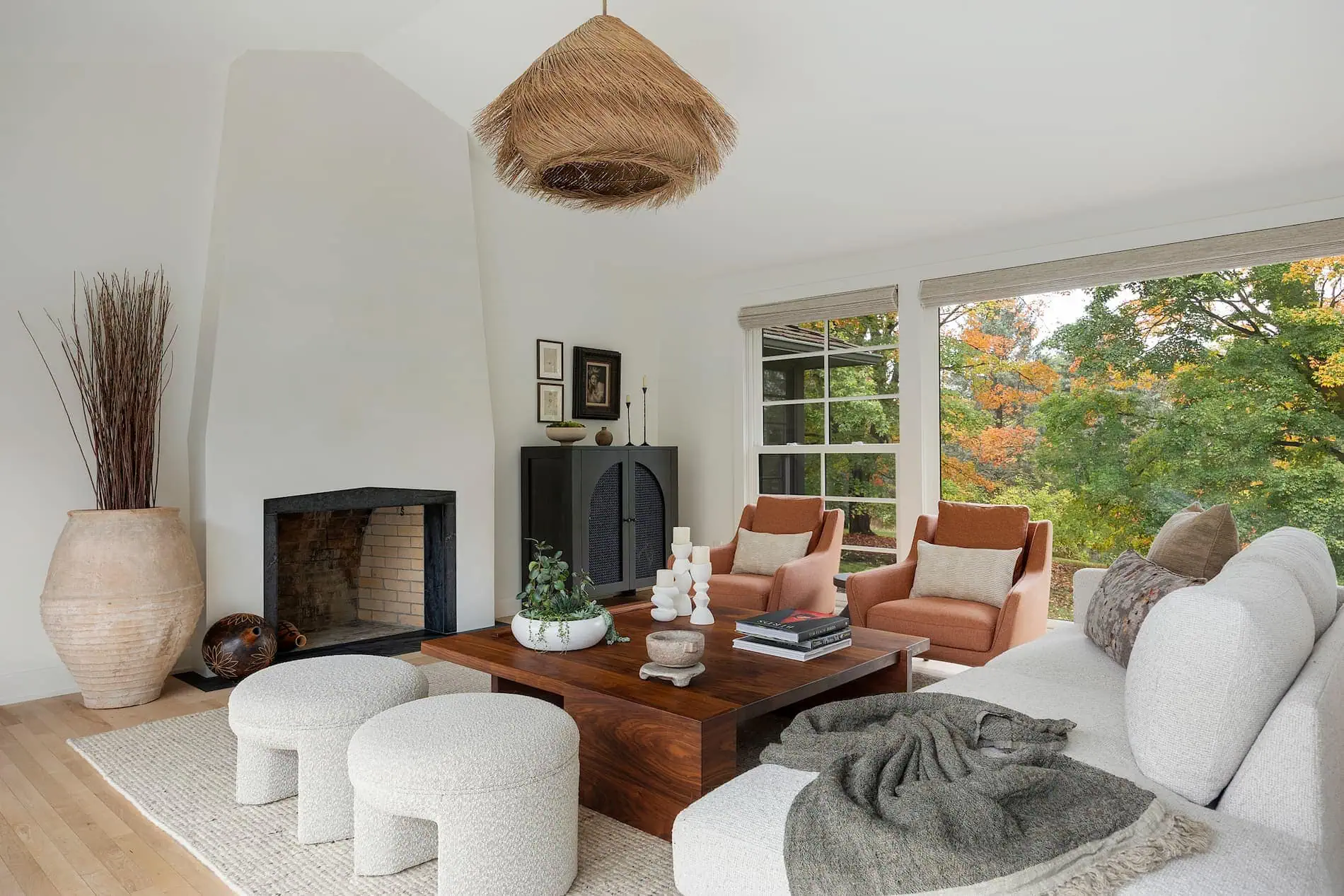
Lighting is often treated as a technical requirement, but in the hands of a detail‑oriented designer, it becomes an art form. Lighting shapes mood, highlights textures, and guides movement.
Effective lighting details include:
- Cove lighting that washes a wall in soft glow
- Integrated LED strips that highlight textures
- Custom fixtures that double as sculptural elements
Thoughtful lighting transforms a space from flat to atmospheric
Framing Views and Moments
Architectural detailing isn’t only about physical components; it’s also about shaping experiences. A narrow clerestory window that brings in morning light, a perfectly aligned doorway that frames a garden, or a built‑in bench that invites pause. These are details that enrich daily life.
Great architects think not just about what a space is, but how it feels to move through it.
Hardware: The Jewelry of Architecture
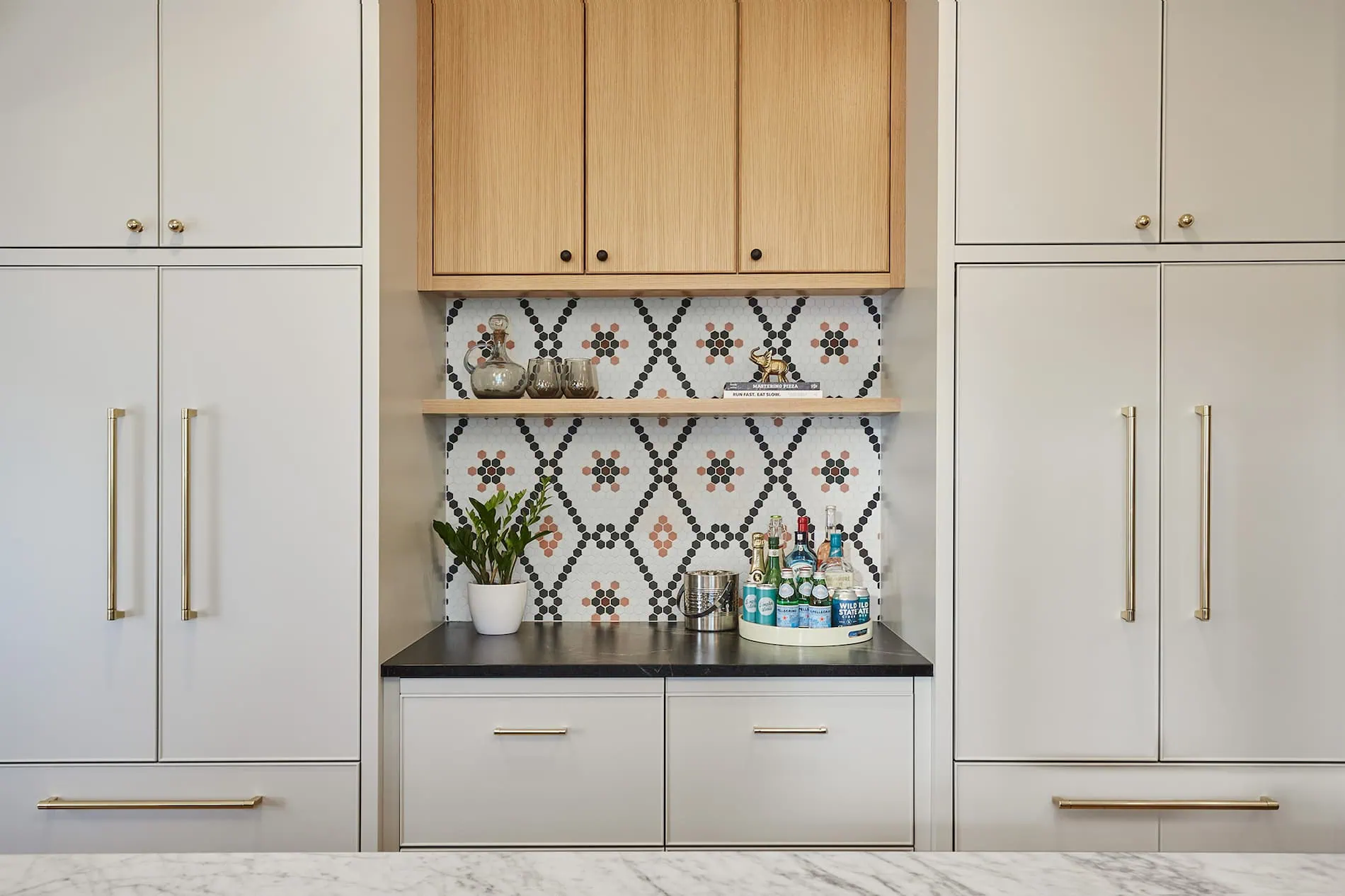
Door handles, cabinet pulls, hinges, and switches may seem insignificant, but they’re the elements people touch every day. High‑quality hardware adds tactile pleasure and reinforces the design language of a space.
Think of hardware as the jewelry of a home. Small, expressive, and capable of elevating the entire ensemble.
The Emotional Power of Small Touches
Ultimately, architectural detailing is about emotion. It’s about creating spaces that feel intentional, harmonious, and human. People may not always be able to articulate why a home feels special, but they sense it; in the smoothness of a handrail, the rhythm of a façade, the warmth of a well‑placed light.
Details are where design becomes personal.
Conclusion: Small Touches, Big Impact
The art of architectural detailing reminds us that great design isn’t just about big ideas. It’s about the small, thoughtful touches that bring those ideas to life. When architects obsess over details, they create spaces that don’t just function well, but feel extraordinary.
In the end, it’s the little things that make a big difference.
Ready to reimagine your home? Let’s discuss the possibilities for your home.